Research Articles
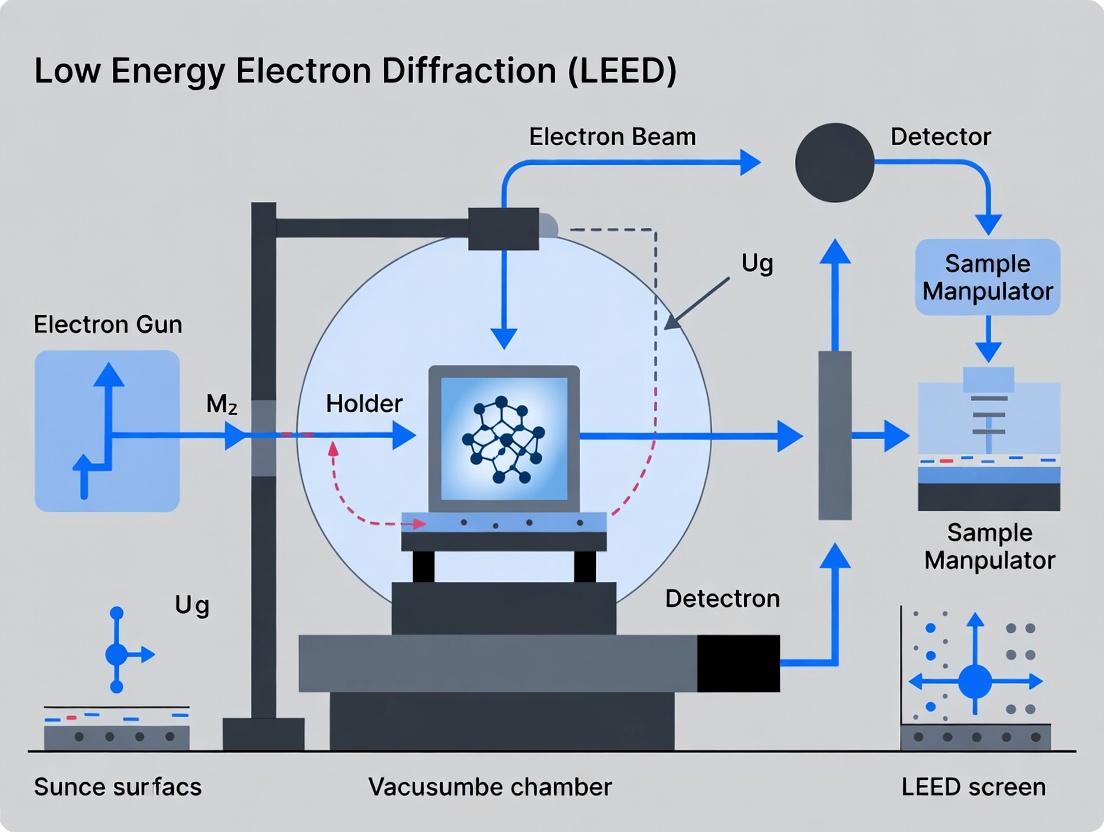
LEED on Delicate Samples: A Guide to Non-Destructive Surface Analysis for Drug Research
This guide explores strategies for applying Low-Energy Electron Diffraction (LEED) to beam-sensitive materials, a critical challenge in pharmaceutical surface science.
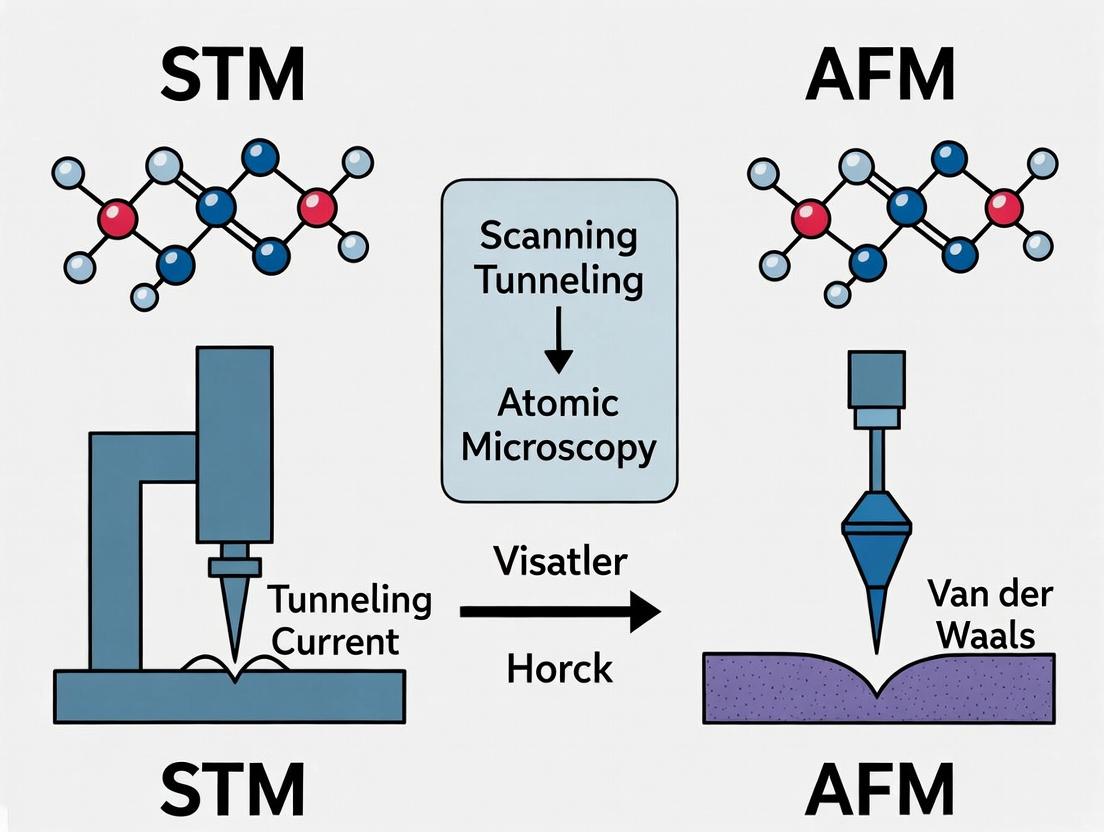
STM vs AFM: A Comprehensive Guide to Resolution Limits for Biomedical Researchers
This article provides a detailed comparison of Scanning Tunneling Microscopy (STM) and Atomic Force Microscopy (AFM) resolution capabilities, tailored for researchers and professionals in drug development.
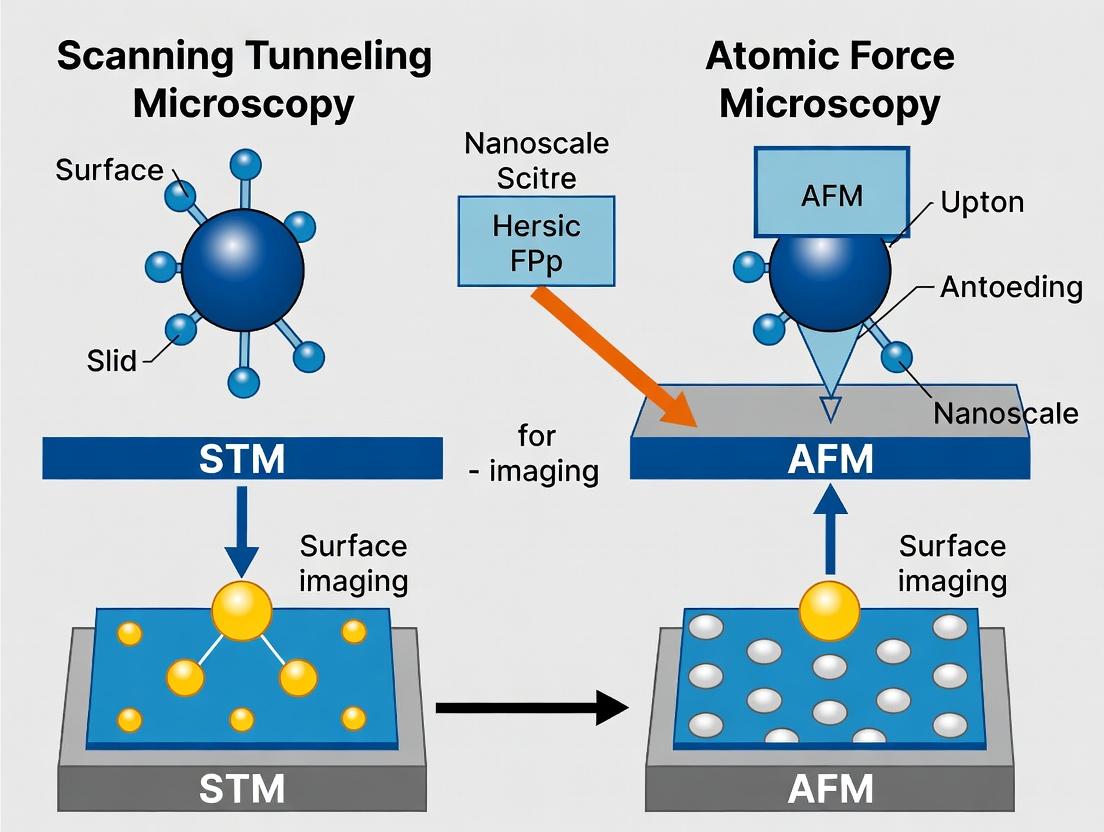
STM vs AFM: A Comparative Guide to Nanoscale Imaging for Biomedical Research
This article provides researchers, scientists, and drug development professionals with a comprehensive analysis of Scanning Tunneling Microscopy (STM) and Atomic Force Microscopy (AFM) for nanoscale imaging.
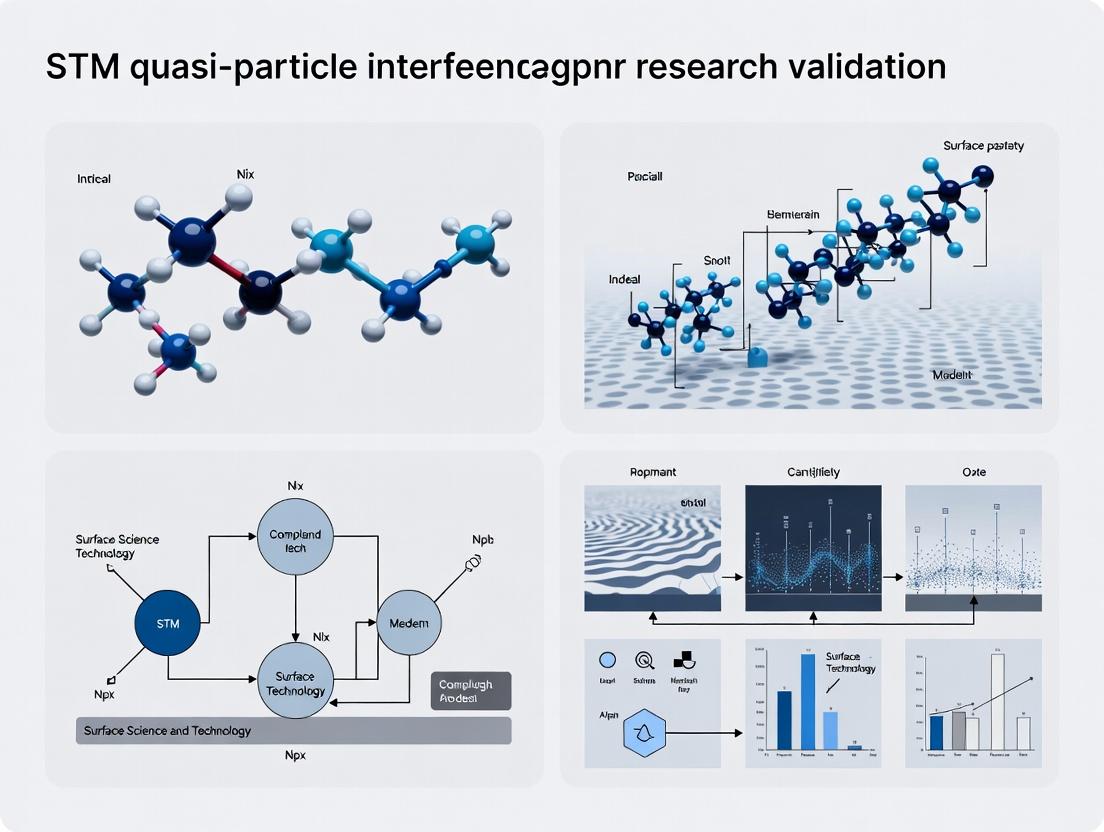
Decoding Quantum Landscapes: A Comprehensive Guide to STM Quasi-Particle Interference Pattern Validation
This article provides a systematic guide for researchers and scientists on validating quasi-particle interference (QPI) patterns obtained via Scanning Tunneling Microscopy (STM).
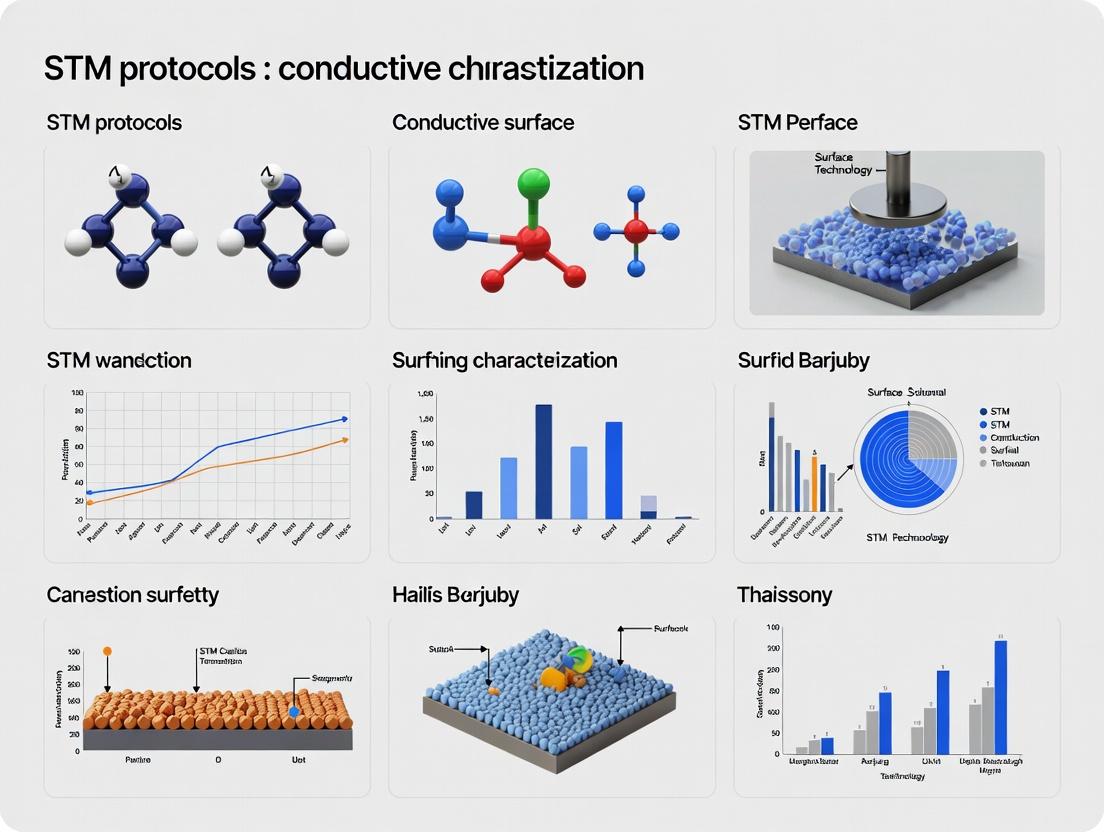
STM Protocols for Conductive Surface Characterization: A Comprehensive Guide for Biomedical Research
This article provides a detailed guide to Scanning Tunneling Microscopy (STM) protocols for characterizing conductive surfaces, tailored for researchers and drug development professionals.
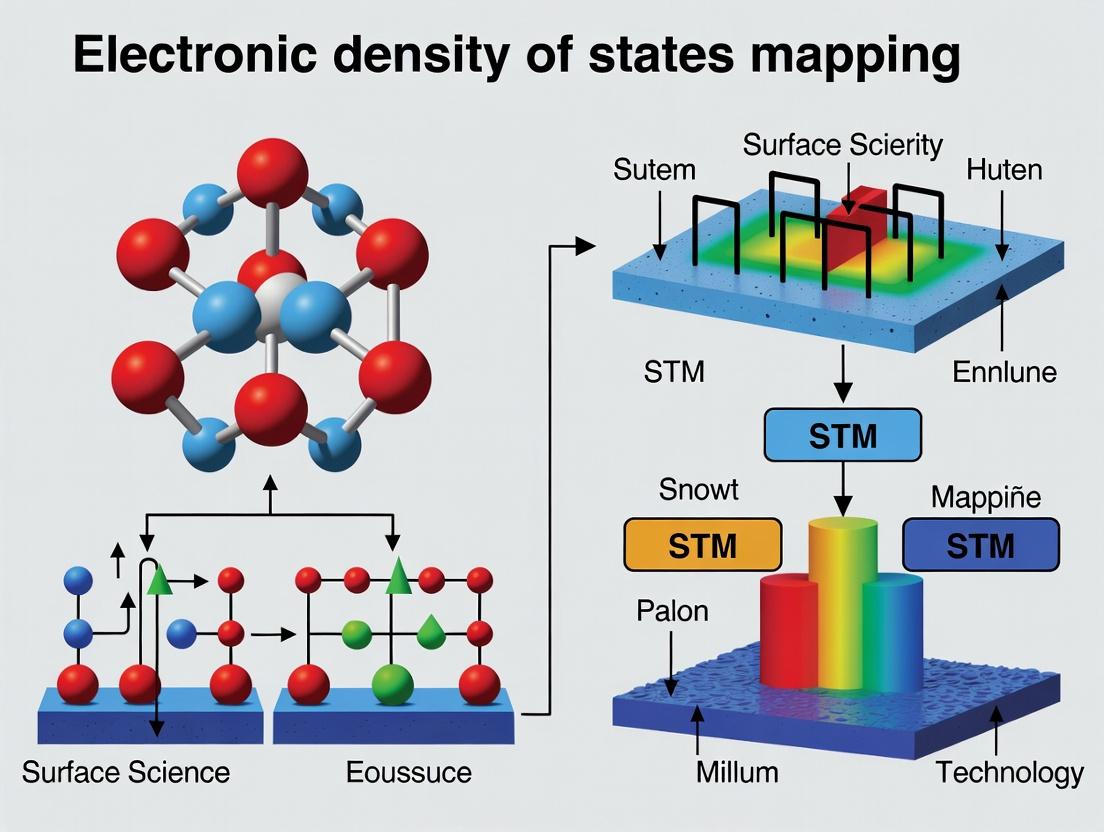
Mapping Electronic Density of States with STM: Principles, Methods, and Biomedical Research Applications
This comprehensive guide explores Scanning Tunneling Microscopy (STM) as a critical tool for mapping the electronic density of states (DOS) at atomic and molecular scales.
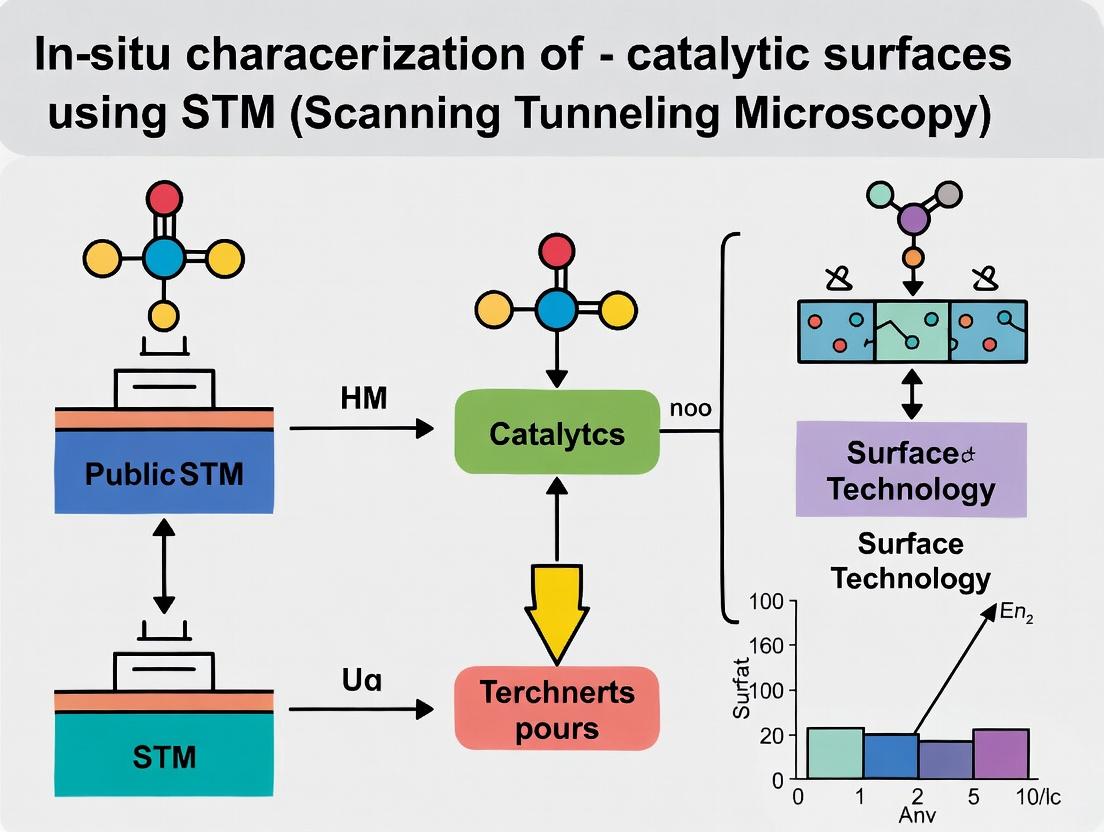
In-Situ Scanning Tunneling Microscopy: Unlocking the Dynamic World of Catalytic Surfaces for Advanced Research
This comprehensive guide explores the critical role of in-situ Scanning Tunneling Microscopy (STM) in characterizing catalytic surfaces under realistic operating conditions.
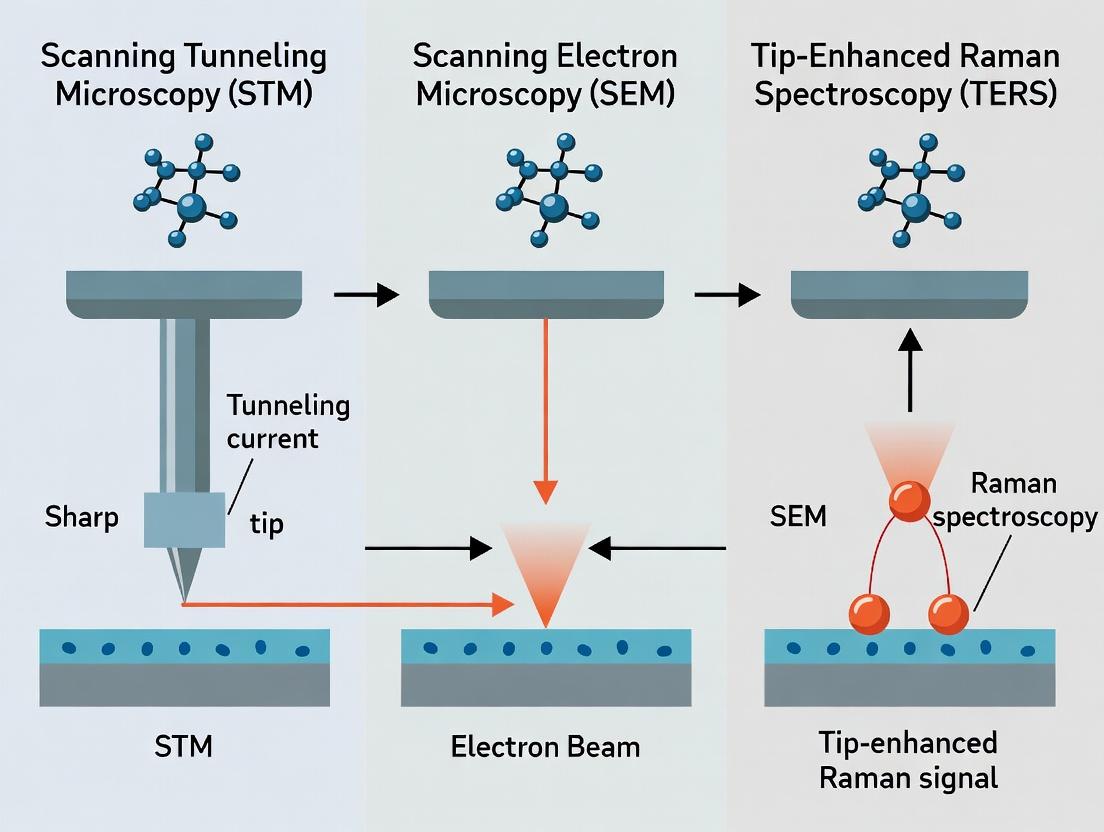
STM vs. SEM vs. TERS: A Comparative Guide to Nanoscale Surface Chemical Analysis for Biomedical Research
This article provides a comprehensive comparison of Scanning Tunneling Microscopy (STM), Scanning Electron Microscopy (SEM), and Tip-Enhanced Raman Spectroscopy (TERS) for surface chemical analysis.
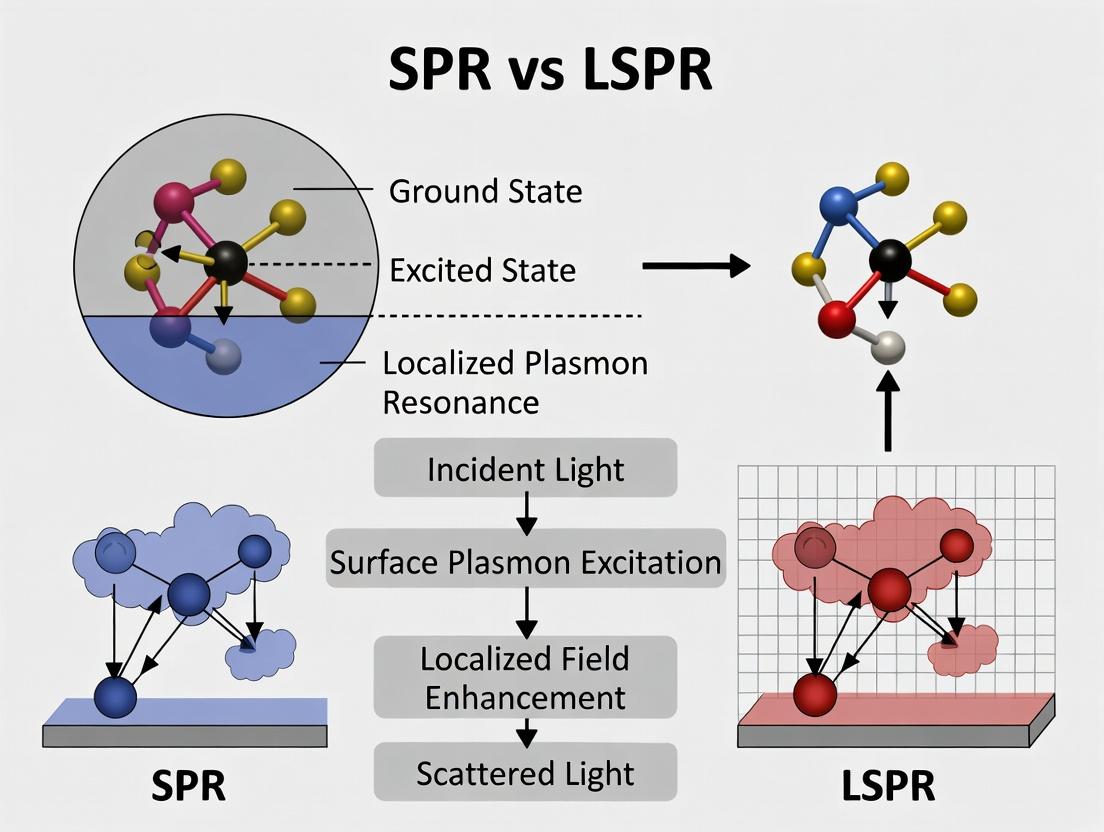
SPR vs LSPR: A Complete Guide for Researchers on Plasmonic Biosensing Technologies
This comprehensive guide explains the critical differences between Surface Plasmon Resonance (SPR) and Localized Surface Plasmon Resonance (LSPR) for researchers and drug development professionals.
SPR vs ELISA: A Comprehensive Guide to Choosing the Right Method for Binding Affinity Studies in Drug Development
This article provides a detailed comparison of Surface Plasmon Resonance (SPR) and Enzyme-Linked Immunosorbent Assay (ELISA) for measuring biomolecular binding affinity, a critical parameter in drug discovery and development.